Tournaments:

Tournament time is something I really enjoy about soccer. Soccer tournaments are a competition, where teams from all over come to one spot that compete against other teams in shorter games. It happens anywhere from 1-3 days.
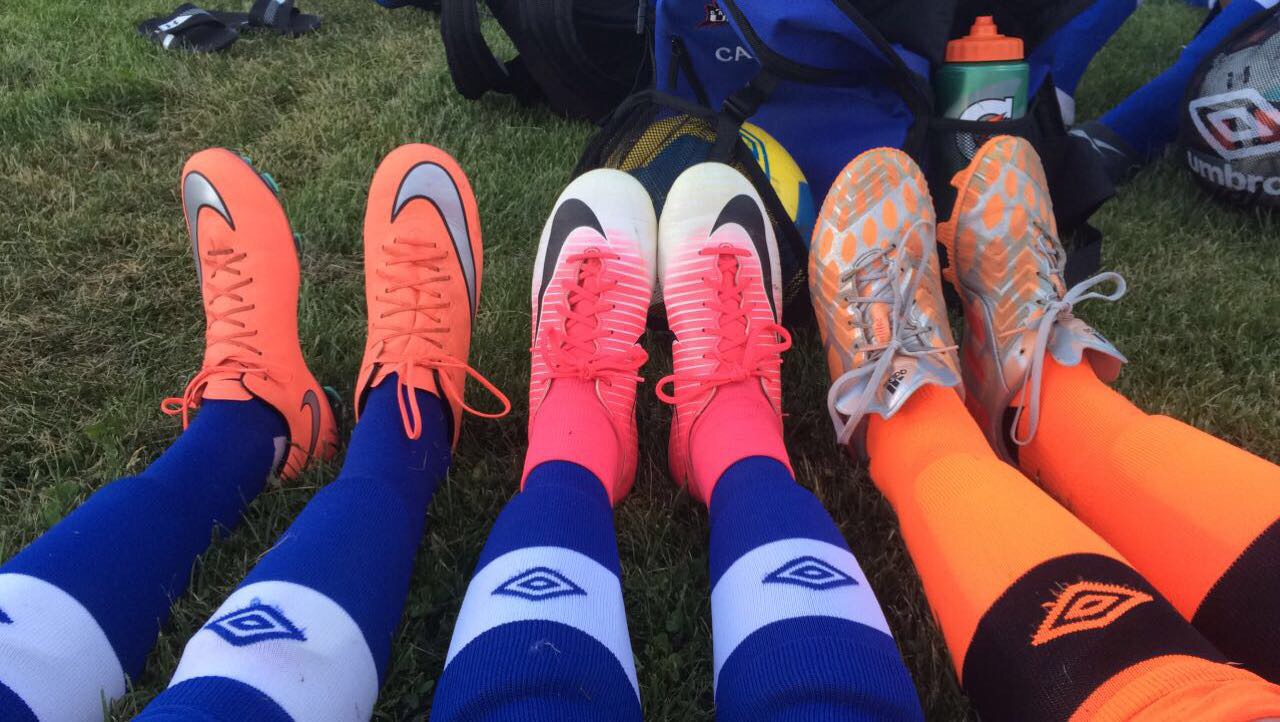
How do soccer tournaments work?

Once the group stage has started, each team competes in a round-robin style, where each team has to play three games against three other teams in there group.

Point system: A win is three points, a tie is one point and a loss is no points.

After finishing those three games, you tally up your points and the top two teams in that group move into the next round. This round is now known as the  semi final round which is where two teams will get knocked out to see which two teams will compete in the finals.

How to prepare for tournaments:

Start the day off with a well balanced meal.

Tournament days can be very long and exhausting. It is very important to fuel your body up with the appropriate and right nutrients ( carbohydrates, protein and good fat). One very important thing to do during tournaments is to stay away from any unhealthy foods or big meals because this will slow you down during the games.

Complete proper warm ups and cool downs.

During these long days it is important to warm up and cool down properly so you can help yourself prevent  injuries. Tournament days are very long and your body is going to be really sore if you don’t stretch properly.

Find a shady spot.
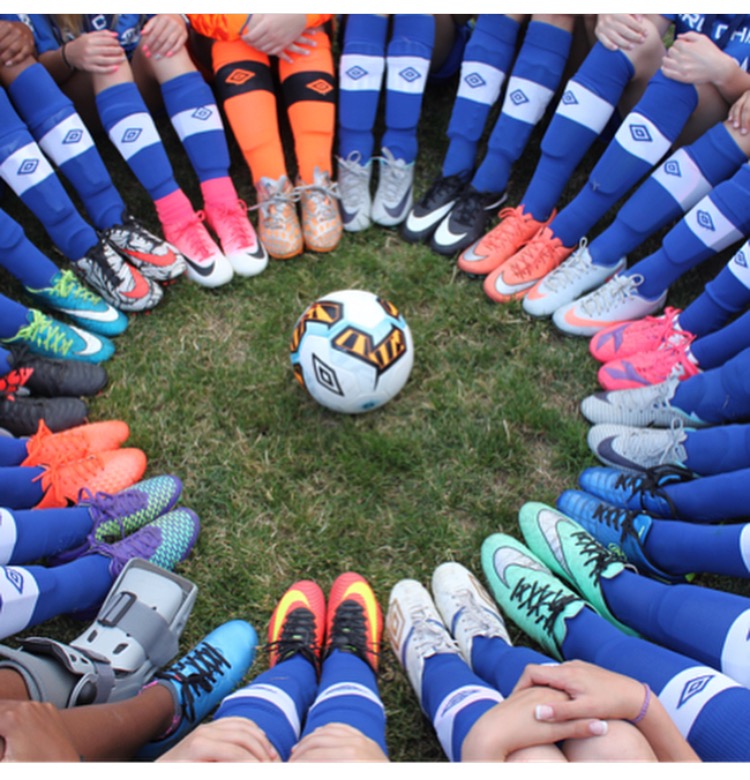
Soccer tournaments are held outdoors and are held in the summertime when the weather is warm and the sun is beating down on you. My advice to you if you are ever in a soccer tournament is to find a shady spot when waiting to play your next game. Always be sure to check the weather before the tournament.

In 2017 my team and I were in our second last tournament of the year. The tournament was over a course of a long weekend, so we had the opportunity to stay over in a hotel for the whole weekend. Tournaments are my favourite thing to do, it gives me the opportunity to have fun and be with my team for a couple days. My team is like my second family, they know all about me and are great people to be around. We all get very nervous when its game time, because we don’t know what to expect from other teams.
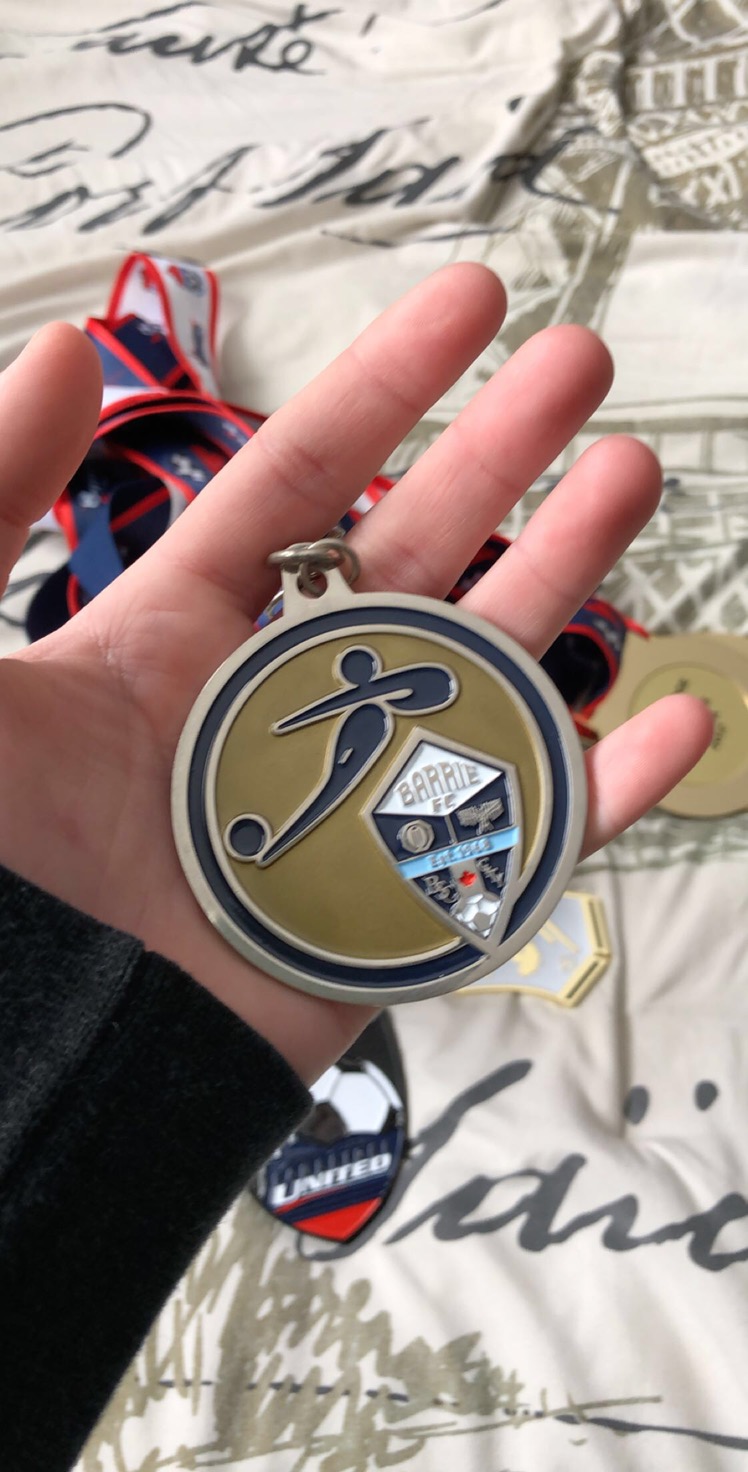
It was the first day of our tournament, when we got to the field we had a great warm up, all feeling confident and ready to go out there and play our game We went out there in our first game, passing, and shooting really well. Our communication was great and we knew what was going on. We were up three nothing when the final whistle blew for the end of the game. We knew we had these last two games in the bag, we won our next two and we were onto semi finals. We were a little nervous because we haven’t played this team before. We were tied one to one  so that meant we had to go into a shootout to see who advanced to the final round. We beat them!! It was the final game and we wanted this so bad, but we lost 2-1.
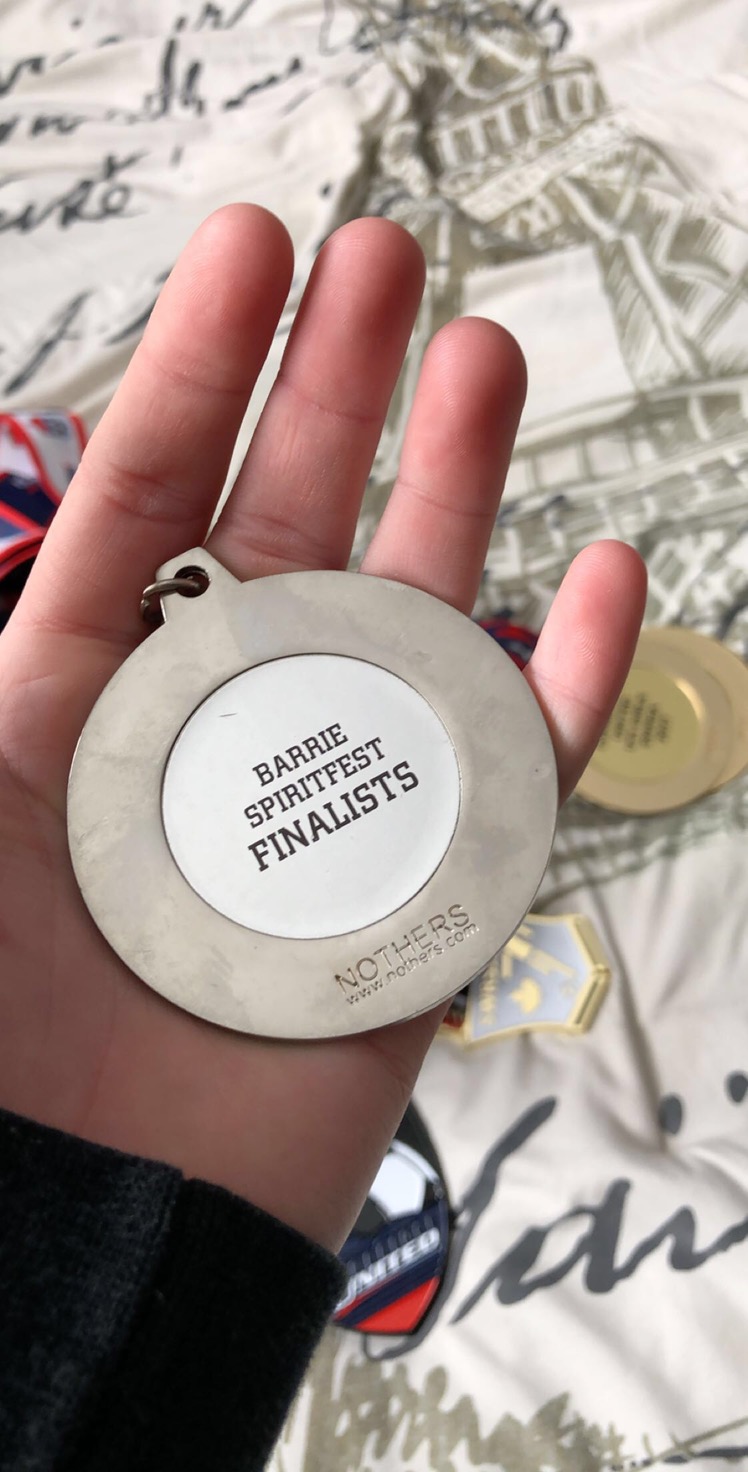
We were disappointed that we lost but we were happy we got this far and got second place. This was the best experience that year.




Nutrition for Soccer Players:

Soccer is a team based sport that includes two 40 minute halves with a 10 minute break in between both halves. On the field you have 10 players and than a goalkeeper adding up to eleven on the field. You may experience a time where your team his short of players and don’t have enough to be sub in and out. My team has experienced many times where we are short of players due to many different reasons such as injuries, vacations and illnesses. There is going to be times where you might have to play the full game like I have had to many times. Eating properly is very important before games and practises so I am going to talk to you about that.

Training diet for soccer:

A general healthy eating pattern is important and helps to stay fit, energetic and become a better player. Nutrition should be based around protein for muscle repair and recovery, carbohydrates at the right time for fuel. It is also important to have fruits and vegetables, nuts, seeds and whole grains that provide vitamins and minerals.

For anyone who plays soccer, it’s good to balance your nutrition with your training level. For example if your training is going to be hard you should eat more rich carbohydrates so that you will lower your level of getting tired or running out of breath. Soccer can become a very competitive sport if you get up to that level and it is important to take care of your nutrition lifestyle on and off the field.

What to eat before games:

It is important to start games off fuel and ready to go. Before any big games I eat around 3-4 hours before game time. My meal includes carbohydrates for fuel and fluids for hydration. I add a  little bit of protein so that I can prevent myself from getting hungry during the game. I encourage you all to eat a healthy meal before games.

Here are some example meals you could try:

  • Pasta with tomato sauce
  • A wrap with chicken and a side of salad

If you are only up for a snack here are some examples of quick snacks:

  • Yogurt with fruit salad
  • A banana and a handful of almonds

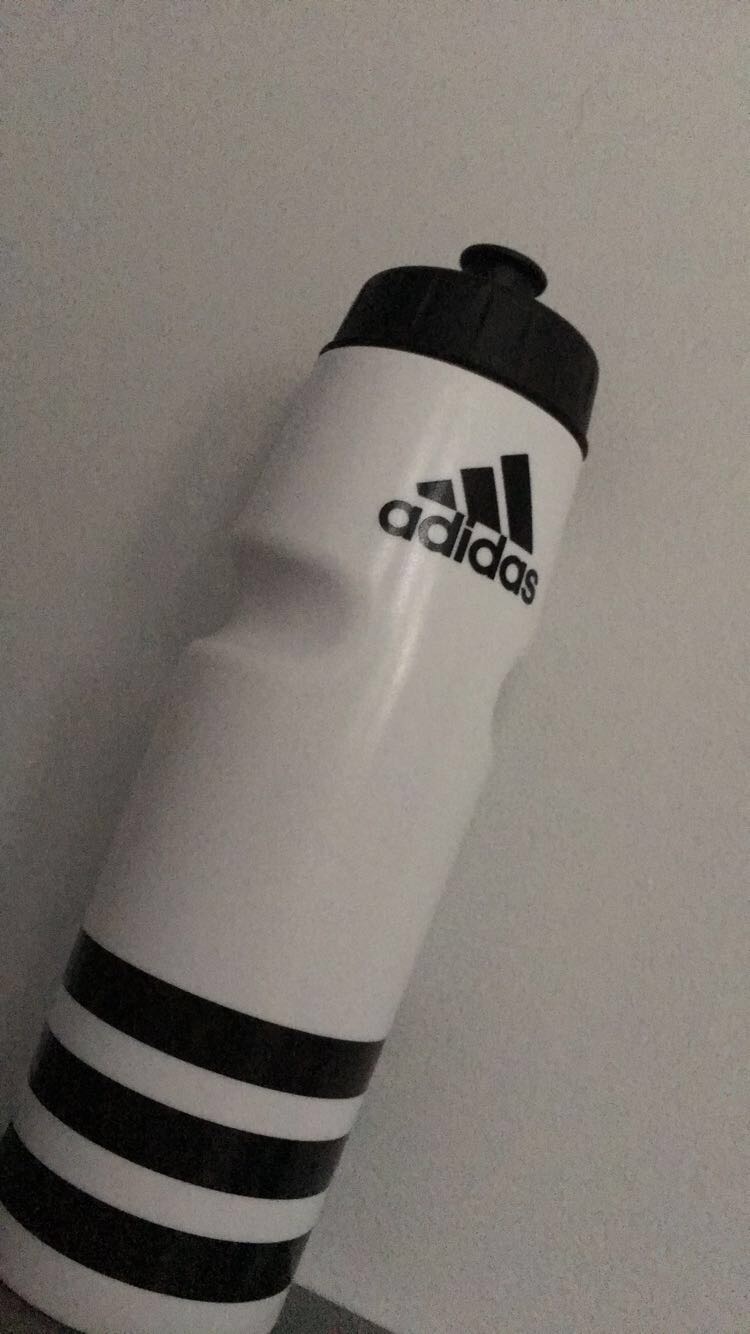
Players should start the game off well hydrated by drinking fluids before. There aren’t many opportunities in soccer to grab a drink of water other than half time if you don’t get subbed out. Water is a priority and is good to drink but sport drinks that include electrolytes are useful during games.

Post- match recovery:

Recovery meals or snacks should contain carbohydrates ( fuel), protein ( for muscle repair and development) and plenty of fluids and electrolytes to replace all the sweat you loss.

Recovery snack ideas:

  • Yogurt or Greek yogurt with fruit
  • Protein smoothie
  • Oatmeal, banana, and almonds

Other nutrition tips:

Plan for travel:

Depending on level of competition, soccer players are often required to travel farther. At the level I play we could travel at least two hours on a Tuesday night. Thinking ahead for proper nutrition plans it is important to pack some quick healthy things to eat.

Good nutrition is an important part of living a healthy lifestyle. Combined with physical activity, your diet is also important when trying to stay fit and healthy. Your diet will help you wit a healthy weight and feeling better about yourself. Having a healthy diet helps to lower the risks of and health conditions like diabetes, certain cancers and strokes. Eating healthy now as teens will help you later in life.


Proper Equipment for Soccer

Soccer is a fun and great sport to play. As with any sport, there is always some kind of equipment required. Soccer does have risks and wearing the right gear will minimize any risks of injuries. When players are protected, their confidence becomes stronger. If you’re new to soccer, or just have a child starting, knowing what equipment is expected to have is important whether they are a player or a goalkeeper.

I have had many bad experiences with forgetting my other jersey or my right cleats. I want to be sure none of you experience the same mistakes.

Proper Equipment Needed For Players:

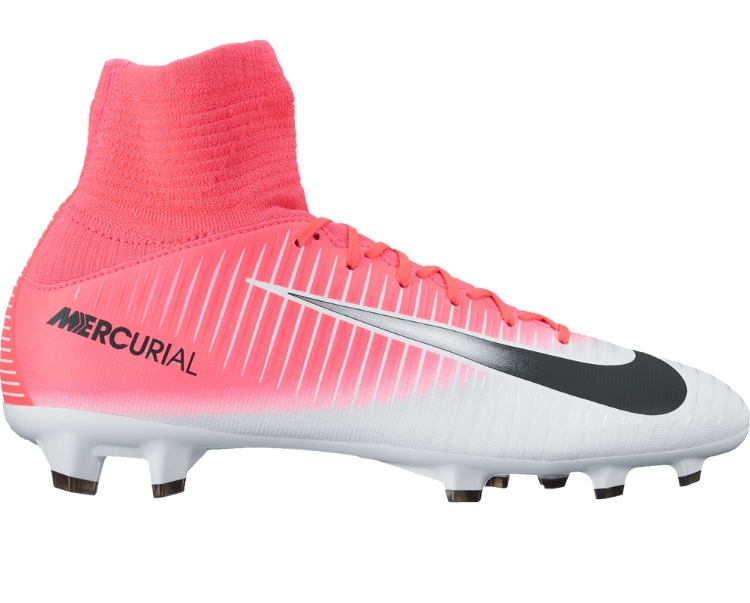
Basic soccer equipment include jersey, socks, shin pads, shorts and cleats. For anyone playing soccer make sure to wear all of these. There are two types of cleats that soccer players use depending on where they are practising. In a competitive league like mine we are required to have two pairs of cleats, ones have the spikes at the bottom which are used for outdoors on turf or grass and the other ones are called indoor cleats which have no spikes at the bottom they are just flat. Always be sure to know which cleats to wear.

It was our final game of the season and I forgot to bring my second jersey. As a competitive soccer I have two jerseys, one is for away games and one is for home. I am expected to bring both to every game just in case we have to change. So if your team has two colour jerseys, always be sure to bring the other one.

Proper Equipment for Goalkeepers:

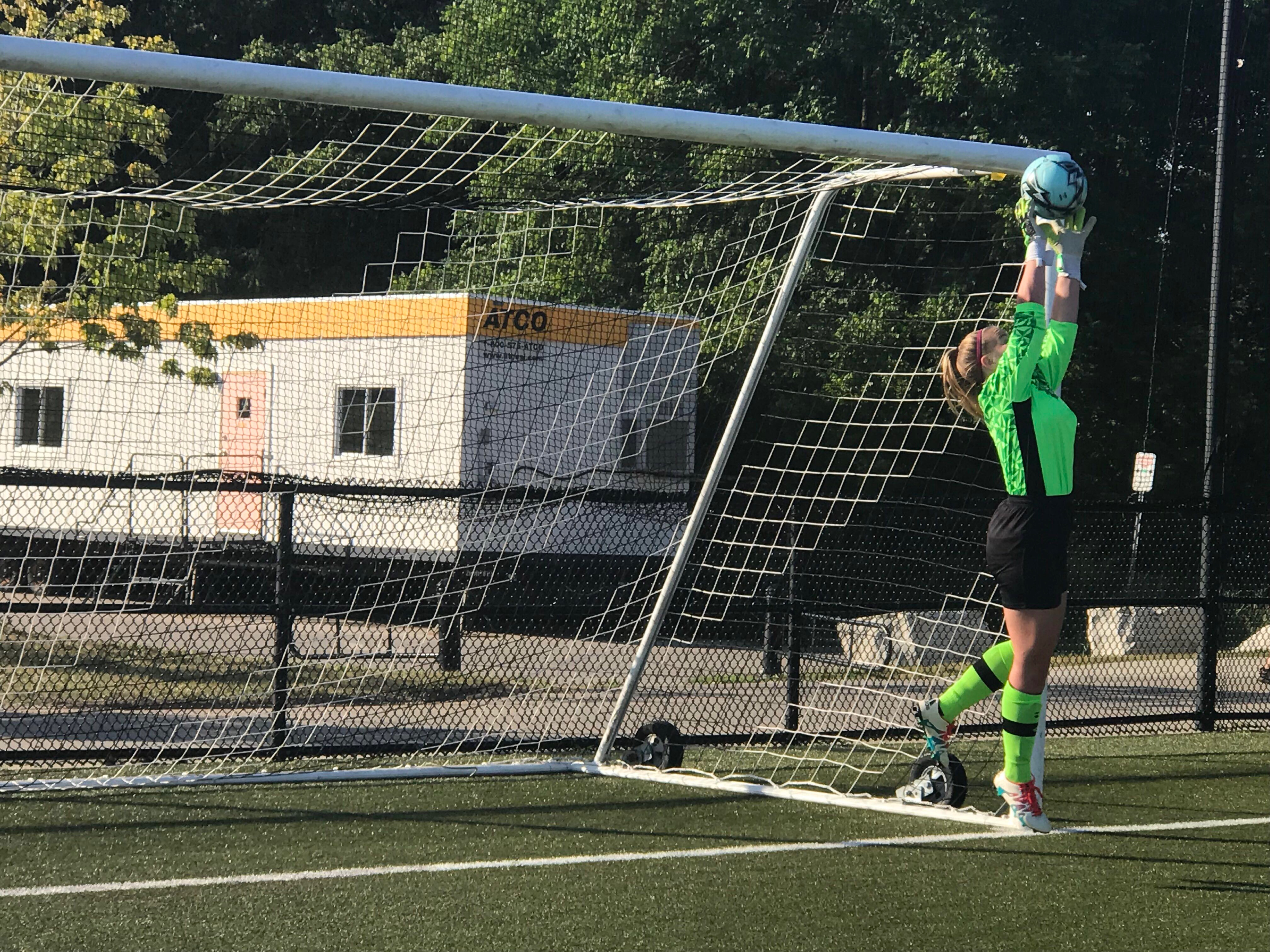
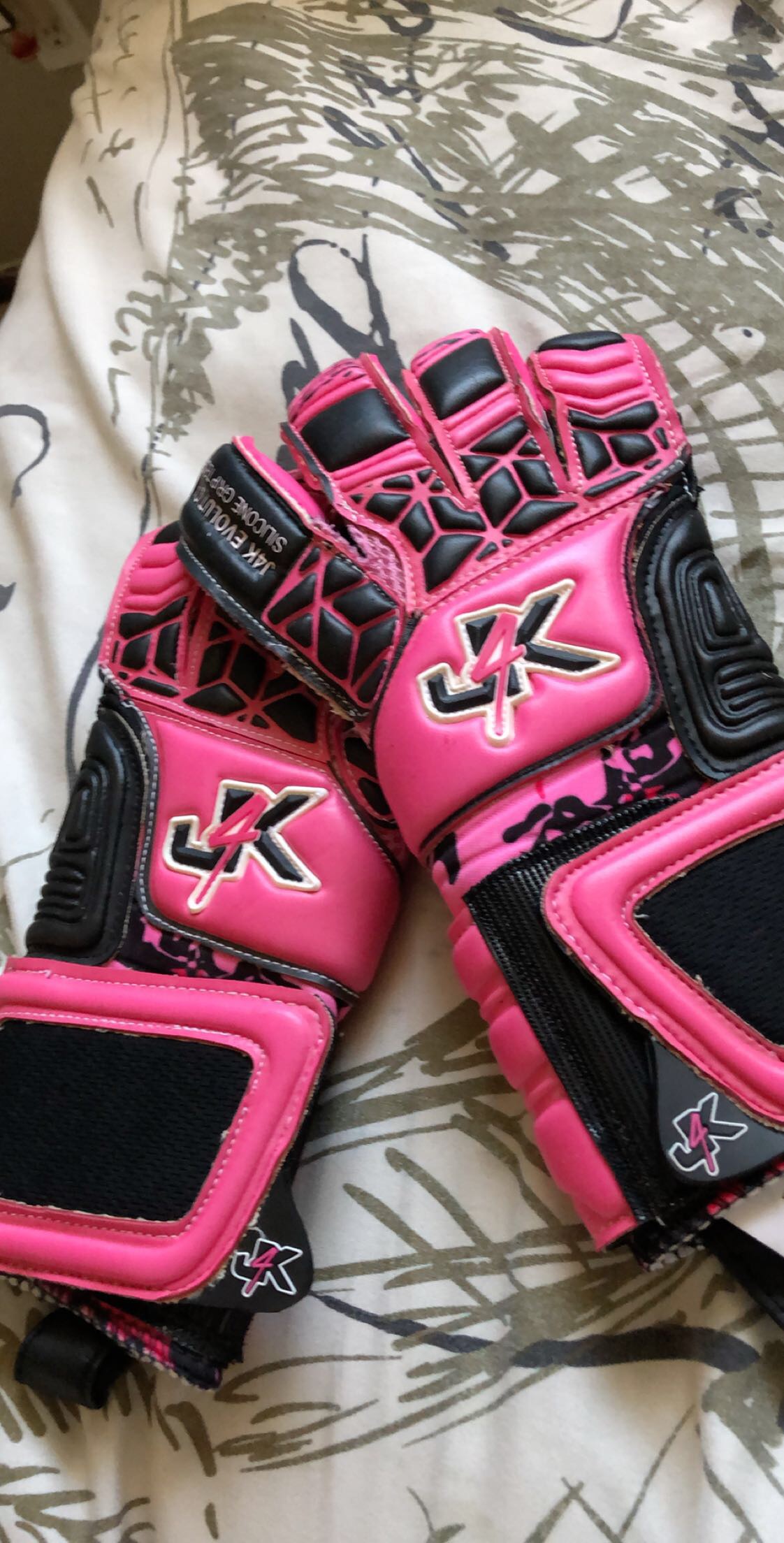
Just like their teammates, goalkeepers are required socks, jersey, shin pads, shorts and cleats. There are a couple unique things about a goalkeeper. Goalkeepers get to have a different coloured uniform than the rest of their team, that is so the referee can identify them. Another thing that a goalkeeper has different than the rest of the players is a pair of goalkeeper gloves. This is because they are the only one that is aloud to handle a “live” ball with their hands. Goalies have a preference is gloves, if they are not the right ones they don’t like them and their confidence level goes down. My goalkeeper has two pairs of gloves that she keeps in her bag. She got them sized for her hands and have a special type of grip that she likes the best. A goalkeepers gloves are the most valuable piece of their equipment.


What keepers look for in goalie gloves:

Important elements to look for are fit, grip, and design.

  • Fit: Wearing the correct size is very important. Gloves should fit snug enough so that they can catch and rebound the ball without them slipping off. They also can’t be so tight that it is cutting off your circulation.
  • Grip: Goalkeepers want the right grip in their gloves. It can either be smooth or rough.
  • Design: Goalkeepers all have a different preference on the design on their gloves. My goalie always goes with a theme and has her name printed on the thumb

Soccer players and any athletes play with more confident and are more aggressive knowing there not going to get kicked in the shins. Soccer players are very aggressive and have a lot of contact even though they aren’t supposed to. Whether you’re into it to win or just have fun, there’s no sense in risking any injuries throughout the season so be sure to always wear the right equipment. Good luck in your season and have fun!


Training The Right Way

Soccer is all about endurance. You are on the field for long periods of time, sometimes the full 90 minutes, so you must be able to sprint with the ball, go around defenders and make good passes.

During a typical 90- minute game elite players run about 10 kilometres at 80 – 90% of their max. To be able to do this and not feel like your going to pass out it’s important to design a workout and get the right training that builds up your endurance and builds up your strength.

  • Here are some great training ideas that I have for you.

Dynamic Warm up: A dynamic warm up is consisted of stretches that prepare your body for the activity or sport by helping your blood flow and lowers the risk of injuries. Here are some examples that my team uses for our warm up before practises and games:

  • Open- Knees- This exercise you will be working the hips. Lift your leg while bringing it in until the knee is bent 90 degrees and swing it out, then repeat with the opposite leg.
  • Closed- Knees- Bring one leg up and out (away from the other leg) until the knee is bent 90 degrees, then bring it back in. Repeat with the other leg.
  • High- Knees- Jog to the end while bringing your knees up as high as you can.


Speed Training:  Speed Training should be a main focus of your off season training. It is the ability to move quickly across the ground. It requires good strength and power. It focuses on your muscles improving your flexibility so that you can improve your speed.

Conditioning Training: Condition Training during pre season will help you get in shape and ready for regular season. This training is done to become for physically fit by exercise, diet and sleep. Some examples of this training are:

  • Do agility and and quickness drills for 20-30 mins.
  • Repeated sprints ( sprint 10-20 meters and than walk the rest).

Strength Training: Soccer players should do two- four fully body workouts per week to build strength, power and muscular endurance. Full body workouts are a good thing to do because during a game all of your muscles play a role.

Balance Training: Balance training is good for preventing knee and ankle injuries. Soccer players should d balance training to improve coordination and muscle control. Incorporate balance training into your workouts two to three times a week for about 15-20 mins after every session.

Some examples that you could use in your balance training.

  • Squats
  • Doing yoga or Pilates
  • Stand on one foot
  • Walk heel to toe

Training is a method to teach correct muscle memory and build skills using different parts of your body. It’s not about getting more touches, it’s that you get enough doing it right. My soccer team does all of these and we have found it is really helping us so I encourage you all to incorporate these into your practises. It might be hard but it will be worth it trust me.

Hydration

After the final whistle, hydration in many cases shows who has pushed themselves until the end and didn’t give up at any point no matter how tired they were.

Healthy hydration is very important, especially when playing soccer in extreme hot temperatures. Proper hydration for soccer players and myself focus on the importance of drinking plenty of water so that we as players on the field can give our best performance. With constant running, change of speed and direction our body regulates the temperature by sweating. I have had some moments where I have caught myself dehydrated and I don’t want that to happen again. During any competitive or high intensity sports our bodies will sweat approximately 2-3 litres of fluid. Sweating is a way for our bodies to cool down, and if you are not drinking enough water you are going to realize that your body is feeling thirsty which is giving you an indication that you are dehydrated. Playing high intensity sports allows your body to sweat which is decreasing your weight. When you have a break at any point whether it’s a game or practise, use that time to get a drink of water. Hot and humid weather puts myself and my team at risk to heat stroke or dehydration.

How to Prevent Dehydration

  • Sip on fluids like water throughout the whole day and especially during any sports.
  • Eating foods with high water content, eg: fruits and vegetables will help prevent from dehydration.
  • Avoid or limit drinks with caffeine like teas and soft drinks.

Soccer is a fast pace sport in which hydration is a big factor when playing this sport. Fluid intake is very beneficial to your body and will help in your performance. If you ever feel thirsty it means you are dehydrated so stay hydrated and drink plenty of water!